
Does Your Stomach Dome When You Sit Up?

Written by:
Dr. Ashlea Lytle
October 21, 2026

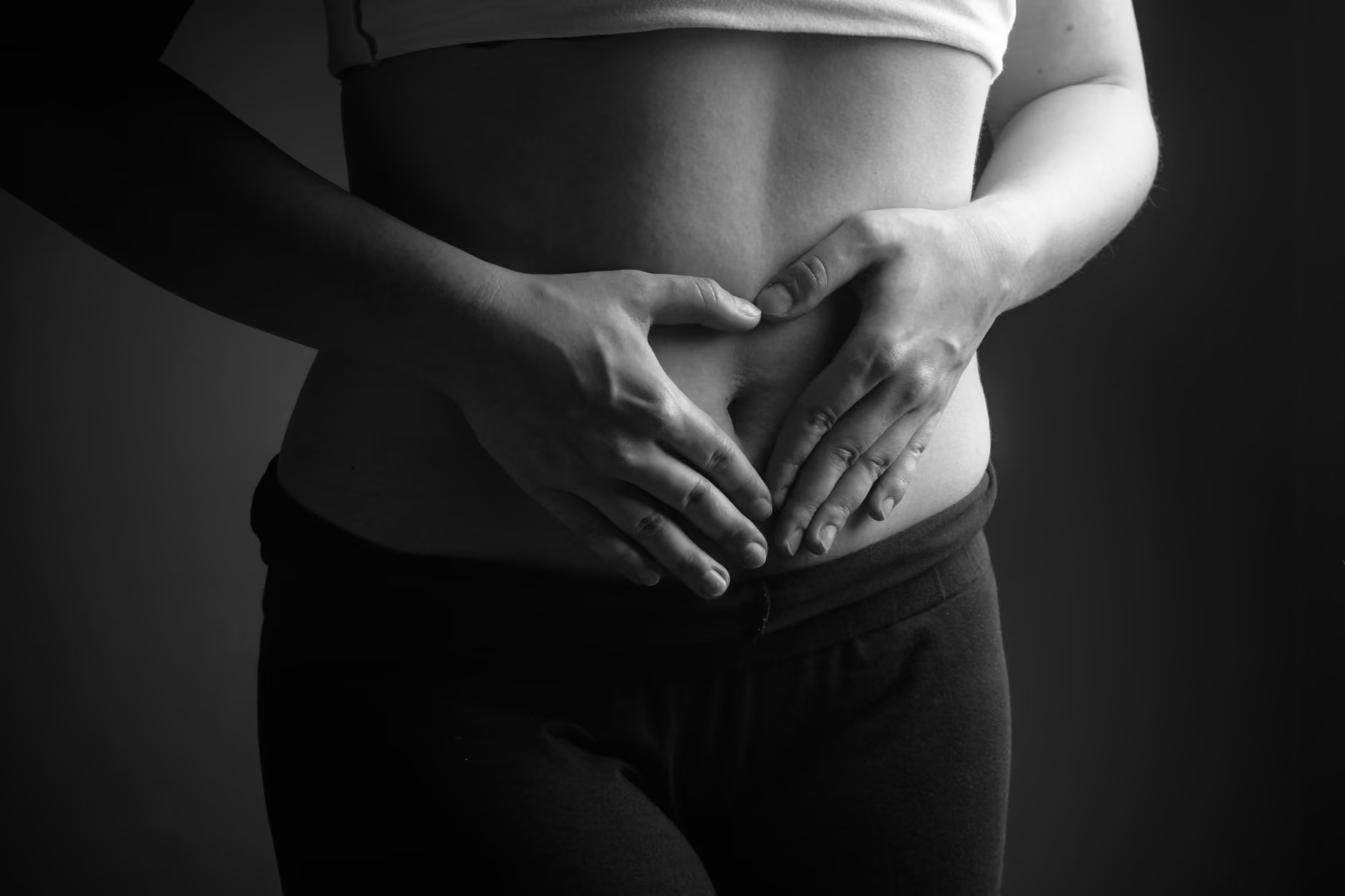
That doming or bulging down the middle of your stomach may be a sign of diastasis recti (DR). Diastasis recti is more than just a “gap” between your abdominal muscles. It involves changes to the linea alba, the connective tissue between the two sides of your rectus abdominis. How your abdominal wall creates and manages tension can be just as important as the distance between the muscles. That's where we come in as physical therapists. Working with a PT who specializes in pelvic health dysfunction and Low Pressure Fitness (LPF) can help you better understand your individual presentation and develop a personalized rehabilitation plan.

‍

Contact us at Activcore Physical Therapy to get help now.

‍

How Can Pelvic Health Physical Therapy Help?

Diastasis recti rehabilitation is not simply about measuring the distance between the abdominal muscles. Your physical therapist can assess:

  • Abdominal muscle coordination and function.
  • Breathing mechanics and pressure management.
  • Tension and responsiveness through the linea alba.
  • Pelvic floor and spinal muscle coordination.
  • How your symptoms change during everyday movements and exercise.

‍

At Activcore Physical Therapy, your treatment may include a combination of hands-on techniques, breathing retraining, Low Pressure Fitness, and progressive strengthening based on what your body needs.

‍

How Can Low Pressure Fitness Help?

Low Pressure Fitness (LPF), also known as hypopressives, combines specific postures, breathing, and an expiratory breath hold with rib cage expansion.

Think of your core like a suspension bridge. Your diaphragm, transverse abdominis, obliques, pelvic floor, fascia, and other connective tissues all work together to distribute tension and manage pressure.

‍

LPF uses posture and breathing to help you become more aware of this system and practice coordinating tension through your abdominal wall.

‍

Research on hypopressives and diastasis recti is still developing, but studies have found improvements in abdominal muscle function, and some have reported reductions in inter-rectus distance. Importantly, research protocols involve repeated, supervised training—not simply learning the technique once.

‍

And that matters.

‍

LPF takes practice. It can take several visits to understand the positioning, breathing sequence, rib expansion, and vacuum. When appropriate, combining hands-on treatment with LPF and progressive core exercises may provide a more individualized approach to improving abdominal wall function and tension.

‍

The goal isn't simply to make the gap smaller. It's to help your core work better.

‍

Your Body Is Not Broken.

Diastasis recti does not mean your body is broken or incapable of becoming stronger. Your rehabilitation should focus on understanding your individual presentation and helping you return to the activities you enjoy.

‍

If you are experiencing diastasis recti, abdominal doming, pelvic pressure, or difficulty managing pressure during exercise, consider scheduling an evaluation with a pelvic health physical therapist who specializes in pelvic health dysfunction and Low Pressure Fitness.

‍

Your body may not need to be “fixed.” Rather it may need the right combination of support, movement, breathing, and time to learn how to work together again.

‍

Contact us at Activcore Physical Therapy to get started now.

Dr. Ashlea Lytle

Regional VP | Physical Therapist
Ashlea Lytle is a Doctor of Physical Therapy (DPT) who has been practicing for over a decade in the Denver area. She specializes in orthopedics and pelvic health for adults and kids. She primarily works at Activcore in Castle Rock, Colorado.
FULL PROFILE

BLOGS BY SAME AUTHOR

How Can Physical Therapy Help My Child with Bedwetting and Daytime Incontinence

Are your kids still having accidents at night? Are they peeing their pants at school? Do they feel embarrassed? Are they missing out on social activities? Urinary incontinence could be normal for their age but there does come a time when children should be dry during both the day and night.

Read MORE

How Can Physical Therapy Help With My Abdominal Pain?

There can be many reasons why someone has abdominal pain. Internal organs, such as your small intestine, colon, stomach, liver, gallbladder, pancreas, uterus or ovaries, could be causing your symptoms.

Read MORE

Mechanics For Vaginal Delivery: Is There A Right Way To Push?

I recently gave birth to my 1st child and was blown away that no one actually prepared me for the 2nd stage of labor, aka pushing phase, 10 cm dilation to birth. My husband and I went to several classes to prepare us for our newborn. During these classes they discussed the stages of labor, what tools they could use during labor, reasons for a c-section, joys and challenges of pregnancy, and how to breathe during the first stage of labor to make it through contractions. When I actually went through my 2nd stage of labor, I realized no one ever discussed how to push and breathe during this phase.

Read MORE

How Can A Belly Massage Help My Constipated Child? Learn the "I Love You" Technique.

Since the COVID-19 pandemic hit in March, I have had more time to practice and critique my I Love You (ILU) massage technique on my 16-month old son, who has been dealing with constipation since he started eating solid foods. I have found there are a few things you really need to do when doing the ILU massage. But before we dive deep into the mechanics, how does the ILU massage technique work?

Read MORE

How Does Squatting on the Toilet Help with Constipation?

Have you ever heard of the Squatty Potty? Advertised as the Original Bathroom Toilet Stool, the Squatty Potty was invented in 2010 by the Edwards family. After dealing with constipation themselves, they were told to try squatting to pass their bowels. This gave them the idea of the Squatty Potty. Now you are probably wondering: why would squatting help with passing stools? Let’s get an understanding of how digestion and bowel mechanics work.

Read MORE

Why Do I Have Troubles Holding in My Stool? I Had No Idea PT Can Help With This!

Do you leak stool with walking, running, or other physical activities? Do you have urgency of your stool and can’t make it to the toilet in time? Do you have to wear disposable underwear because you leak fecal matter?‍ As a pelvic health physical therapist, I see this quite a bit in my practice and everyone always asks the single question: “Why?!!!”

Read MORE

How Can Fiber Help With Constipation?

I’m sure there are a lot of people who can relate to the feeling of constipation. Tummy distended and full; pain in the stomach; a sensation you cannot completely empty your rectum; back pain –– all are symptoms of constipation. We probably have been told to increase our fiber intake and doing so will help loosen our stools. While this is true, there are several things you should know about what type of fiber and how much you should be consuming if you’re trying to improve constipation. 

Read MORE

Treating Constipation with Laxatives: Dependency & Safety in Adults & Children

Ever since I have been treating constipation and bowel dysfunction as a pelvic health physical therapist, I’ve had many clients ask if the laxative they are taking is safe and if they should continue using it, or if they can start their child on a laxative such as Miralax. Many of my clients are afraid they might become dependent and will always have to be on it for their bowels to function. Or they have been told to stop taking it because it is not safe. To have a better understanding of the risk of dependency on a laxative and its safety, let’s first discuss what it actually is, how it works, its side effects, precautions, why you would use it, and the current research on kids taking it.

Read MORE

Best Treatment Options for Diastasis Recti

Have you been told you have a diastasis recti? Have you tried some DIY treatments but haven't been able to improve it? As a pelvic health physical therapist, there are several professional treatment options that I recommend: physical therapy, laser therapy, functional neurology, gut health, hypnosis, and/or abdominoplasty surgery (if necessary).

Read MORE

From Groin Groans to Pelvic Pleasantries: How Pelvic Floor PT Steals the Show

Picture this: a clandestine world of pelvic pain, shrouded in secrecy and often deemed the domain of women. But wait, men also find themselves entangled in this web of discomfort. It's time to bust open the pelvic pain myth and bring pelvic floor physical therapy to the center stage! So grab your seat and get ready for a hilarious journey as we unravel the comic complexities of male pelvic pain and discover how pelvic floor PT can save the day.

Read MORE

A Comprehensive Approach to Managing TMJ Dysfunction

I wrote this blog after hosting a Zoom call with various practitioners in the Denver area. The topic of discussion was how to manage TMJ Dysfunction. By combining some of the strategies listed below, you can take significant steps towards alleviating TMJ/TMD symptoms and regaining comfort in your daily life.

Read MORE

Balloon Training for Fecal Incontinence: A Breath of Fresh Air

Fecal incontinence is often considered a taboo topic, even though it is a condition that affects millions of people worldwide. This topic can be a source of embarrassment, social isolation, and decreased quality of life. But fear not. For in this blog, we are going to explore the concept of balloon training for fecal incontinence and sprinkle in a little humor, because sometimes laughter really is the best medicine.

Read MORE

Feel Like a Tampon Is Falling Out—But You’re Not Wearing One?

Feel like something is falling out of your vagina, especially when you're standing, exercising, or toward the end of the day? This sensation can be a sign of pelvic organ prolapse, including bladder prolapse (cystocele), and Low Pressure Fitness (LPF) may help you better manage pressure and support your pelvic floor. In this article, we'll explore common prolapse symptoms, how LPF may help, and how the interconnected anatomy of the pelvis—including the urachus and the concept of biotensegrity—can help us understand the body as a whole.

Read MORE

Does Your Stomach Dome When You Sit Up?

That doming or bulging down the middle of your stomach may be a sign of diastasis recti (DR). Diastasis recti is more than just a “gap” between your abdominal muscles. It involves changes to the linea alba, the connective tissue between the two sides of your rectus abdominis. How your abdominal wall creates and manages tension can be just as important as the distance between the muscles. That's where we come in as physical therapists. Working with a PT who specializes in pelvic health dysfunction and Low Pressure Fitness (LPF) can help you better understand your individual presentation and develop a personalized rehabilitation plan.

Read MORE